

Sanjay Gandhi National Park is a protected landscape in Mumbai, Maharashtra, with a written history that reaches back to the 4th century BC. Its cultural heritage includes Kanheri Caves, a group of Buddhist caves within the park. From Hotel Shambuji, the park is about an 8-minute drive; the hotel is a hotel close to Sanjay Gandhi National Park.
- Location: Mumbai, Maharashtra
- Historical record: The park’s official website traces written history to the 4th century BC.
- Heritage: Kanheri Caves are within the park.
- Park context: Maharashtra Forest Department includes it among the state’s national parks.
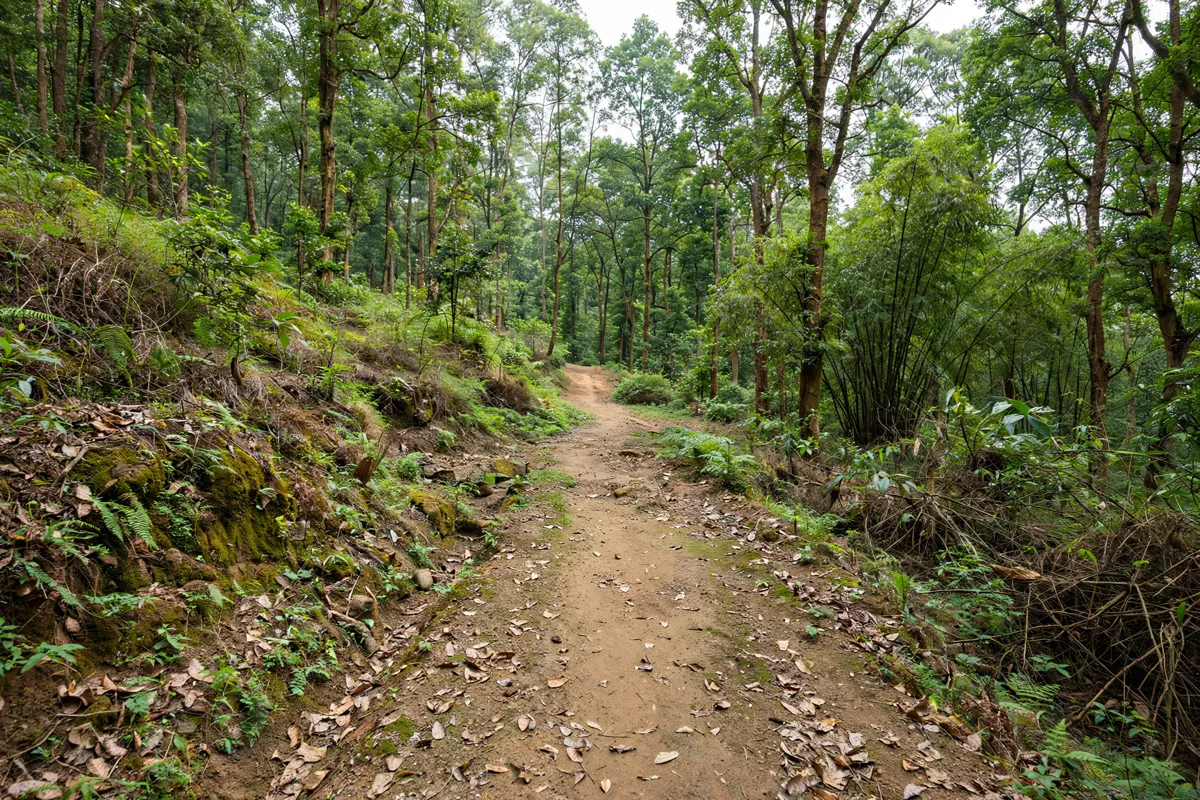
How the park got its present name
The park’s present official name is Sanjay Gandhi National Park, but official park-site information does not establish when or why it was renamed from Borivali National Park. That distinction matters when you trace its history: the name in current use is clear, while the circumstances of the change are not confirmed by that source.
The name question is one part of the wider story of a protected landscape within Mumbai. For practical orientation from Thane, the visitor guide to Sanjay Gandhi National Park from Thane covers the visit-planning angle.
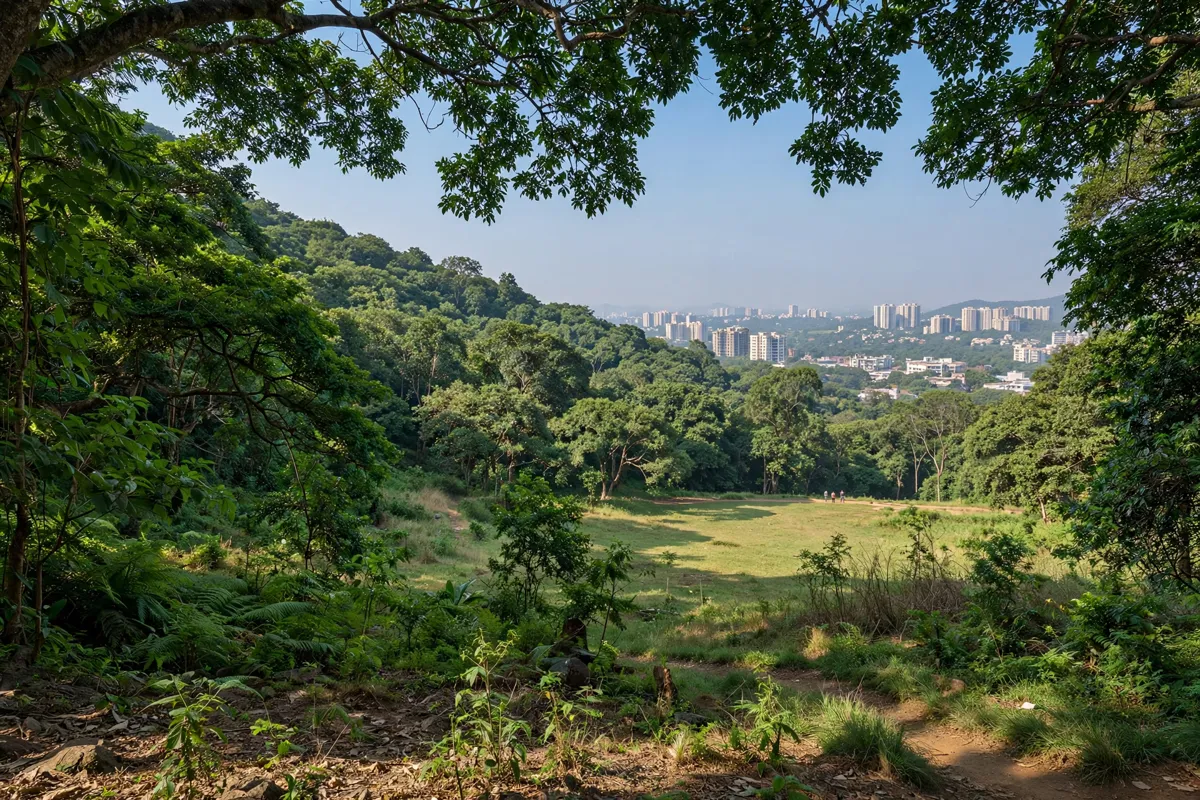
A protected landscape beside a growing city
Sanjay Gandhi National Park is in Mumbai and is one of Maharashtra’s national parks. Under the Wildlife (Protection) Act, 1972, a national park is an area declared to conserve scenery, natural and historical objects of national significance, and wildlife, while providing for public enjoyment without impairing it for future generations.
This framework helps explain the park’s place in the city: it is both a protected area and a place where public access is provided for. When you consider its urban setting, conservation and recreation are part of the same story.
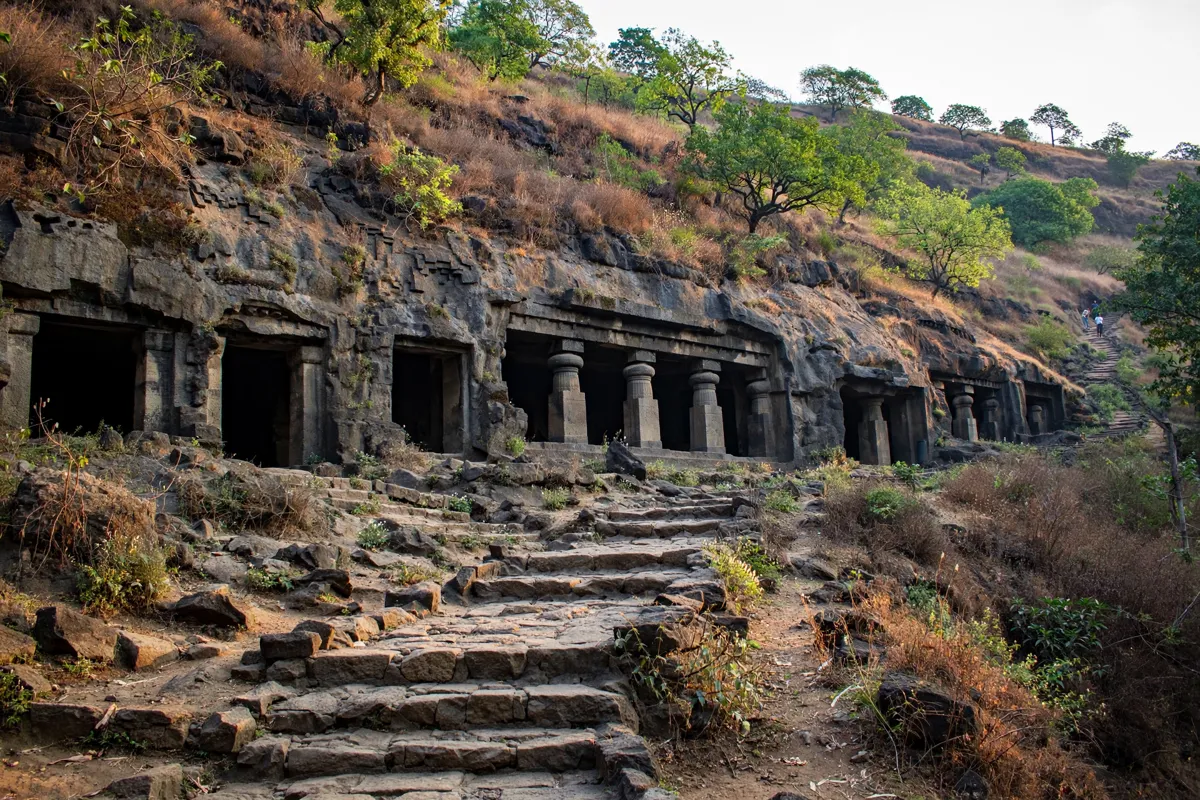
The park’s cultural and natural heritage
Kanheri Caves bring a substantial human history into the park’s landscape. Maharashtra Tourism dates the caves from the 1st century BCE through the 10th century CE and describes them as Buddhist monastic dwellings, meditation halls and places of worship.
The site comprises 109 caves and is a protected monument under the Archaeological Survey of India; it is not currently a UNESCO World Heritage Site.
The park’s written history reaches back to the 4th century BC and includes references to the ancient ports of Sopara and Kalyan.
Taken together, these references place the park within a broader regional history, while Kanheri offers a specific record of Buddhist religious and monastic life. As you follow those threads, keep the regional history distinct from the caves’ own chronology.
If you are planning a visit focused on the caves, the guide to park tickets, hours and parking addresses the practical details.
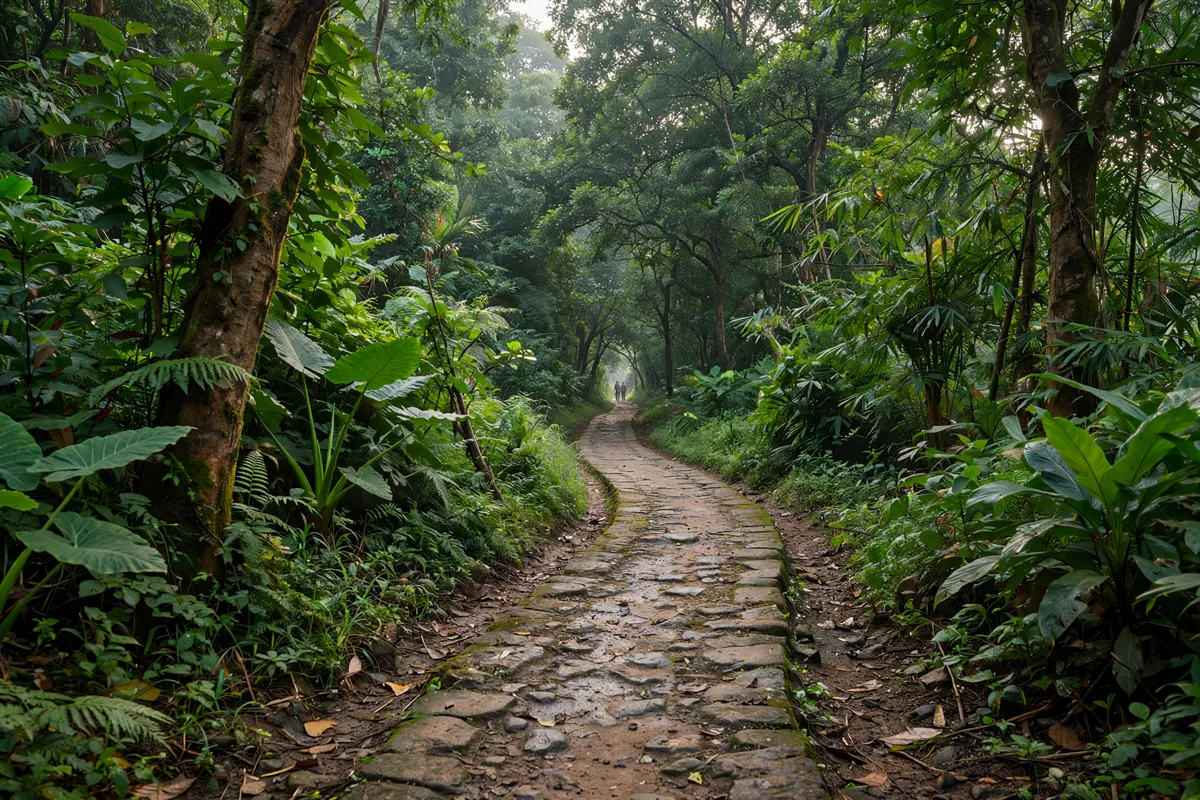
How conservation shapes visitor access
Conservation rules shape both the park’s setting and how activities operate. Except for Gandhi Tekdi and Kanheri Caves, activities do not operate on Mondays or during the lunch break from 1:30 PM to 2:30 PM. Keep this pattern in mind as you plan your time, and check the official site before you go.
A 2016 notification from India’s Ministry of Environment, Forest and Climate Change announced an Eco-Sensitive Zone of 59.46 square kilometres around the park. It comprised 19.25 square kilometres of forest land and 40.21 square kilometres of non-forest land; its stated extent ranged from 100 metres to up to 4 kilometres from the park boundary, varying by location.
Where to verify historical claims
For the park’s historical account, start with its official website; for Kanheri’s history and status, Maharashtra Tourism and the Archaeological Survey of India provide relevant institutional context.
The Maharashtra Forest Department’s definition clarifies the conservation purpose behind national park status. When you compare these sources, keep the park’s long regional history distinct from claims about its present name, protected status and visitor access.
FAQs
What is the Eco-Sensitive Zone around the park?
A 2016 government notification announced a zone measuring 59.46 square kilometres, made up of forest and non-forest land. Its distance from the park boundary varies by location.
How many Kanheri Caves are there?
Maharashtra Tourism describes Kanheri as comprising 109 caves. The Mumbai Suburban District administration also characterizes it as a group of about 109 Buddhist viharas.
Are Kanheri Caves a UNESCO World Heritage Site?
Maharashtra Tourism states that the caves are a protected monument under the Archaeological Survey of India and are not currently a UNESCO World Heritage Site.